Plumbing Relocation in Denver, CO
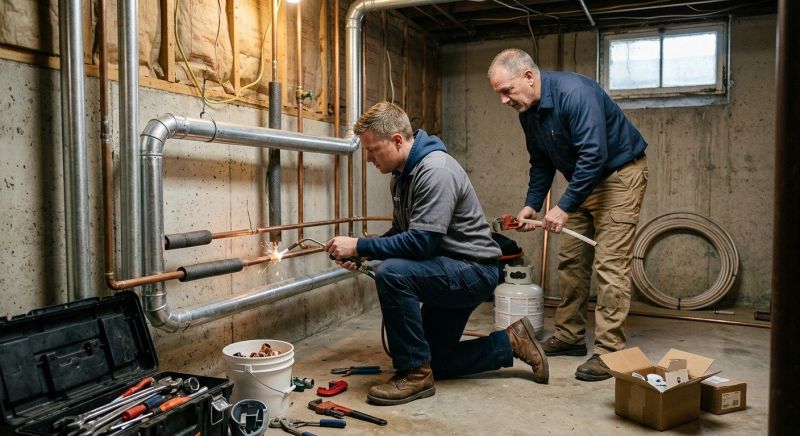
Plumbing relocation services involve the process of moving existing plumbing lines to new locations within a property. This type of work is commonly requested during home renovations, additions, or remodeling projects where the layout of kitchens, bathrooms, or laundry rooms is changing. Property owners typically seek these services to improve functionality, update outdated plumbing, or better suit their design preferences, ensuring that water supply and drainage systems are properly rerouted to meet new configurations.
Before requesting plumbing relocation, property owners should consider the scope of the project, including the complexity of rerouting pipes, potential access points, and the impact on existing fixtures. It’s important to understand the existing plumbing layout and any structural elements that may affect the relocation process. Clarifying these details can help determine the most efficient approach and ensure that the new plumbing setup complies with local building codes and standards.
Many property owners in Denver, CO look into Plumbing Relocation for repairs, replacements, upgrades, and appearance-related improvements.
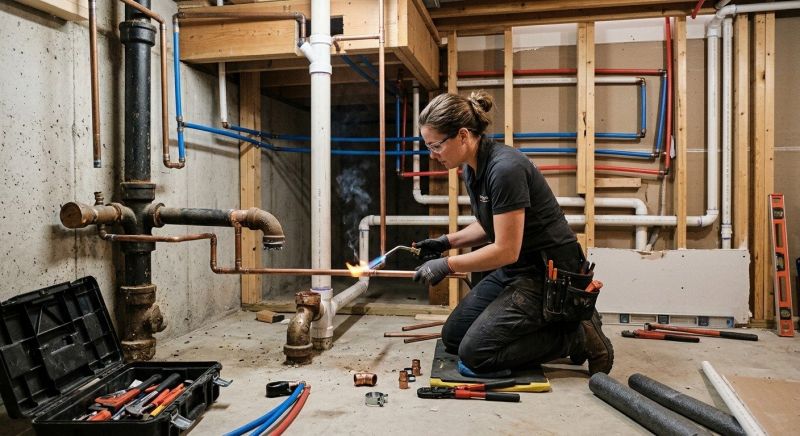
Relocating Plumbing Lines
Moving existing plumbing to accommodate remodeling or new layouts.
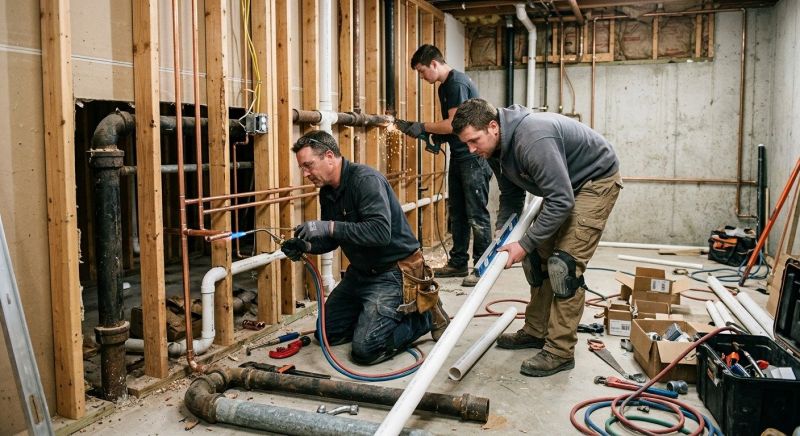
Upgrading Plumbing Systems
Enhancing old or damaged pipes to improve performance and reliability.
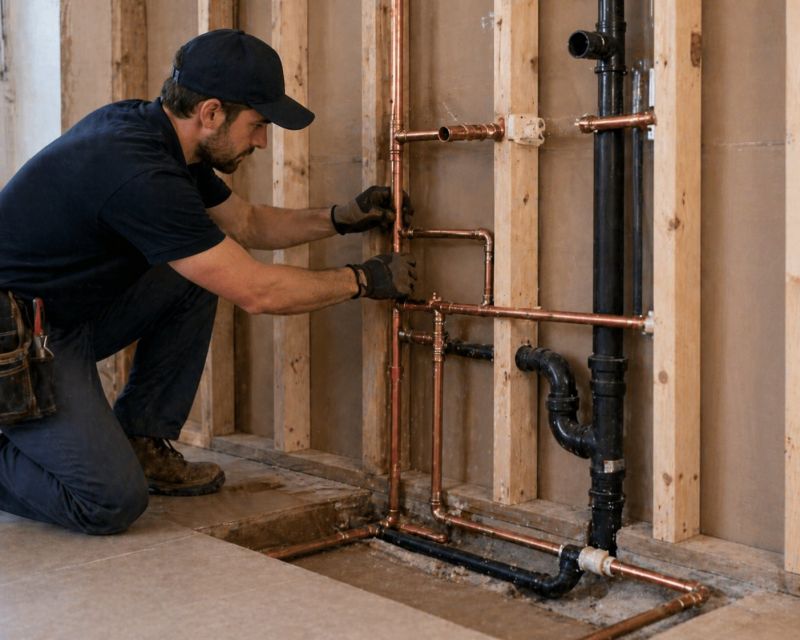
Custom Plumbing Solutions
Designing and installing plumbing that fits specific property needs in denver and nearby areas.
Plumbing Relocation in Denver, CO

Plumbing relocation services involve the process of moving existing plumbing lines to new locations within a property. This type of work is commonly requested during home renovations, additions, or remodeling projects where the layout of kitchens, bathrooms, or laundry rooms is changing. Property owners typically seek these services to improve functionality, update outdated plumbing, or better suit their design preferences, ensuring that water supply and drainage systems are properly rerouted to meet new configurations.
Before requesting plumbing relocation, property owners should consider the scope of the project, including the complexity of rerouting pipes, potential access points, and the impact on existing fixtures. It’s important to understand the existing plumbing layout and any structural elements that may affect the relocation process. Clarifying these details can help determine the most efficient approach and ensure that the new plumbing setup complies with local building codes and standards.
Many property owners in Denver, CO look into Plumbing Relocation for repairs, replacements, upgrades, and appearance-related improvements.
Common Plumbing Relocation Jobs
Plumbing relocation involves moving existing pipes to accommodate renovations or new layouts.
Bathroom plumbing rerouting adjusts water lines for bathroom remodels or additions.
Kitchen plumbing relocation shifts water supply and drainage for kitchen upgrades or redesigns.
Foundation plumbing adjustments modify pipe placement to address structural changes or repairs.
Commercial plumbing moves involve relocating pipes for office or retail space renovations.
Pipe rerouting for additions extends existing plumbing systems to new construction areas.
Plumbing Relocation Questions
What is plumbing relocation? Plumbing relocation involves moving existing pipes and fixtures to a new location within a property, often for renovations or additions.
When might a plumbing relocation be needed? It is typically required during kitchen or bathroom remodels, basement finishing, or when expanding living spaces.
What should property owners consider before a plumbing move? It's important to evaluate the existing plumbing layout, access points, and potential impact on other systems before starting.
How does plumbing relocation affect property functionality? Properly executed relocations ensure continued water supply and drainage, supporting the property's daily use and comfort.
Request Plumbing Relocation in Denver, CO
Use the quote form on this page to share the basics of your project and request more information for the type of work you need.